
New Age Learning
By Ms. Rekha Menon
Knowledge has a shelf life
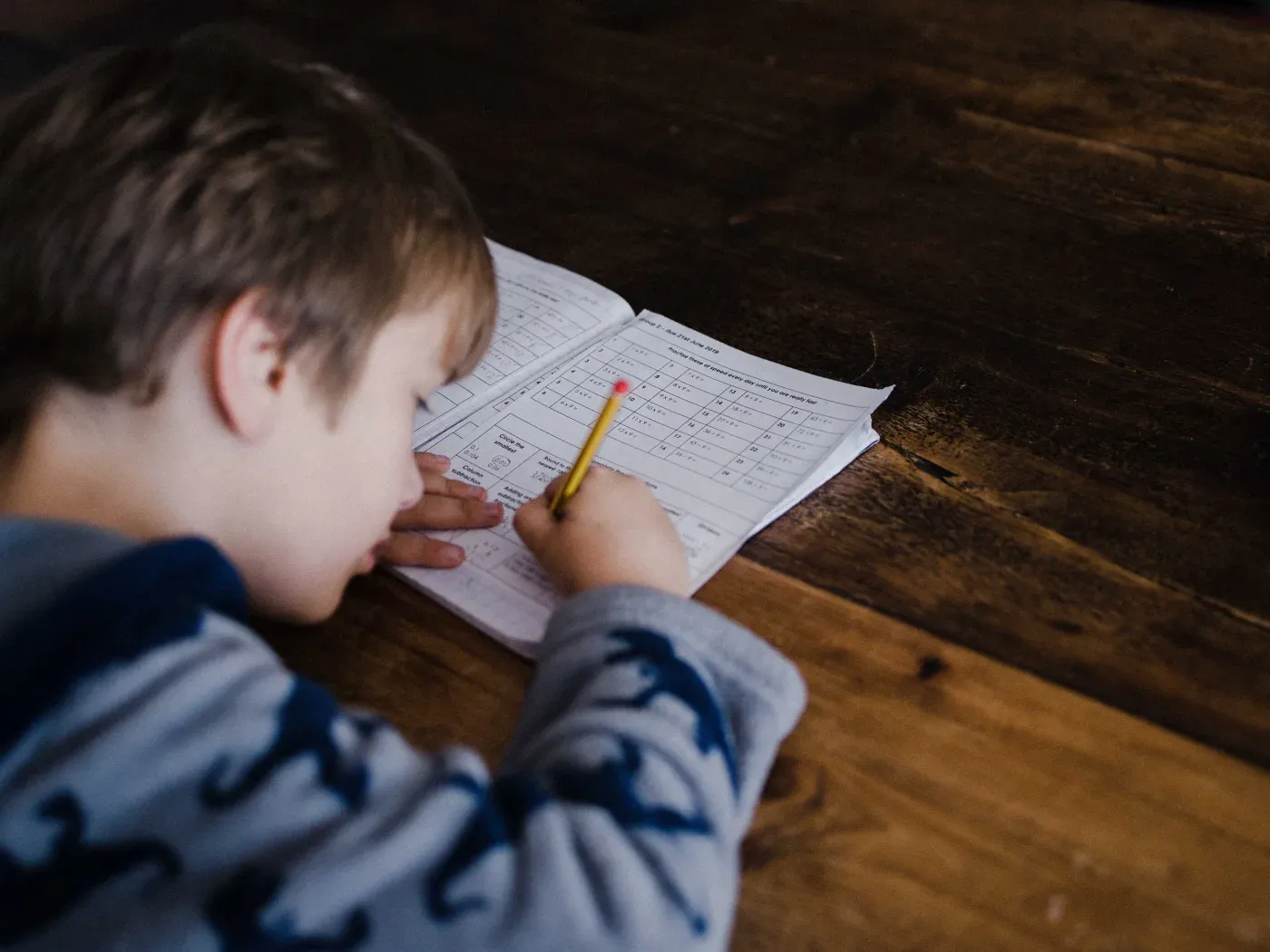
A textbook printed today is already a snapshot of what we knew when it went to press. That used to be a minor inconvenience — facts changed slowly enough that a syllabus could stay current for a decade. It no longer works that way. Fields move month to month, and a student who leaves school believing the syllabus is the ceiling of what there is to know has been taught the wrong lesson entirely. The right lesson is that today’s answers are provisional, and that finding out is a skill in itself.
What we changed in our classrooms
We stopped grading only for the right answer and started grading for the quality of the question that got a student there. A science period now regularly opens with "what do we not know about this yet?" rather than "what is the definition?". It slows a lesson down in the short term and speeds up retention in the long term — a student who has argued their way to an idea keeps it far longer than one who copied it down.
The teacher as a designer of questions
The role this asks of a teacher is different from the one most of us trained for. Explaining well is still necessary, but it is no longer sufficient. What matters more now is designing the right problem for a class to get stuck on — one hard enough to need real thought, and structured so that getting stuck is productive rather than discouraging. Our own staff training has shifted accordingly, with more time spent on question design than on content delivery.
What parents can do at home
The single most useful thing a parent can do is resist answering a child’s question immediately. "What do you think, and why?" costs three seconds and teaches more than the fastest correct answer ever could. We see the difference in class within weeks when a family makes that small change consistently.
More from the GSSE blog

The Journey of Education
Online classes were the most argued-about experiment in Indian education. Four years on, here is what actually stayed.
Education in the Time of Covid-19: A View into the Inequities of Learning
Access to quality education in India was never evenly distributed. A shared crisis made the gap impossible to look away from.

The Art of Public Speaking
The worst speech you will ever give will be far better than the one you never give. Here is how we get children to the microphone.