
Education in the Time of Covid-19: A View into the Inequities of Learning
By Ms. Sharmila Rao
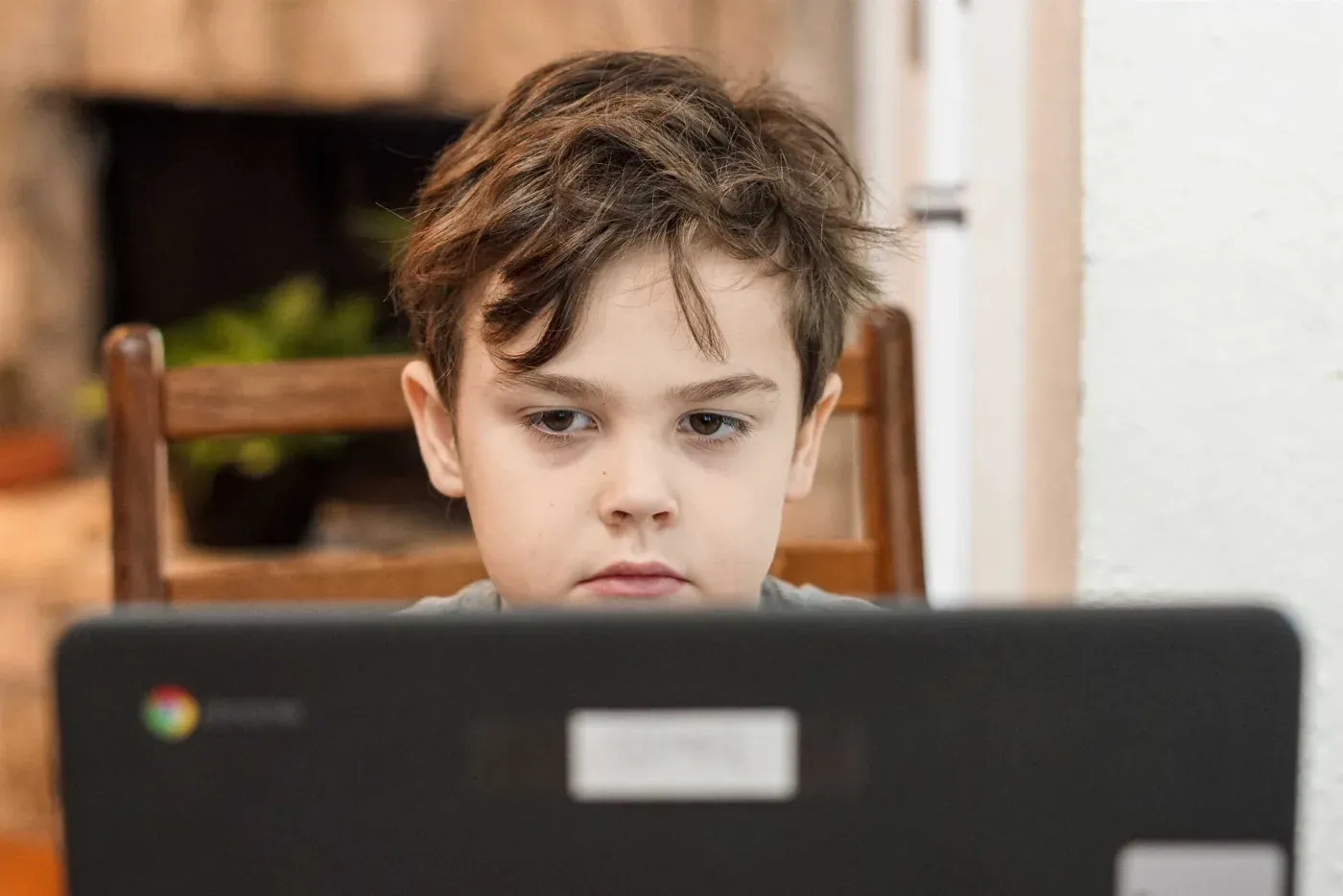
One crisis, many classrooms
It became fashionable to describe the pandemic as the great leveller of Indian education — everyone locked out of a physical classroom at once. That framing was comforting and wrong. A household with one shared phone and patchy connectivity experienced a school closure completely differently from one with a laptop per child and a stable line. The crisis was shared. Its consequences were not.
The device is not the whole story
It is tempting to reduce this to a hardware problem — hand out enough tablets and the gap closes. It does not. A child needs a quiet corner to work in, an adult with the time to check in on them, and enough food and rest that a lesson has somewhere to land. Where any of those were missing, a device sitting in a bag changed very little.
What a school can actually do
A single school cannot fix a national inequity, and it would be dishonest to claim otherwise. What we can do, and did, was keep our own fee-assistance conversations flexible through the disruption, print physical worksheets for the families who needed them, and refuse to let a connectivity problem quietly become an attendance problem on a register.
The work that remains
The lesson we have taken from this is not that the crisis has passed and the gap has closed with it. It has narrowed for some families and stayed exactly as wide for others. The obligation that leaves a school with is to keep noticing the difference between a child who is struggling and a child who was simply never given a fair starting point, and to treat those two situations differently.
More from the GSSE blog
New Age Learning
The current state of knowledge is a moment in history — and a classroom that treats it as final has already fallen behind.

The Journey of Education
Online classes were the most argued-about experiment in Indian education. Four years on, here is what actually stayed.
The Art of Public Speaking
The worst speech you will ever give will be far better than the one you never give. Here is how we get children to the microphone.