
Empathy in Education: Drama-Based Pedagogy
By Mr. Vivek Shanbhag
What drama-based pedagogy is
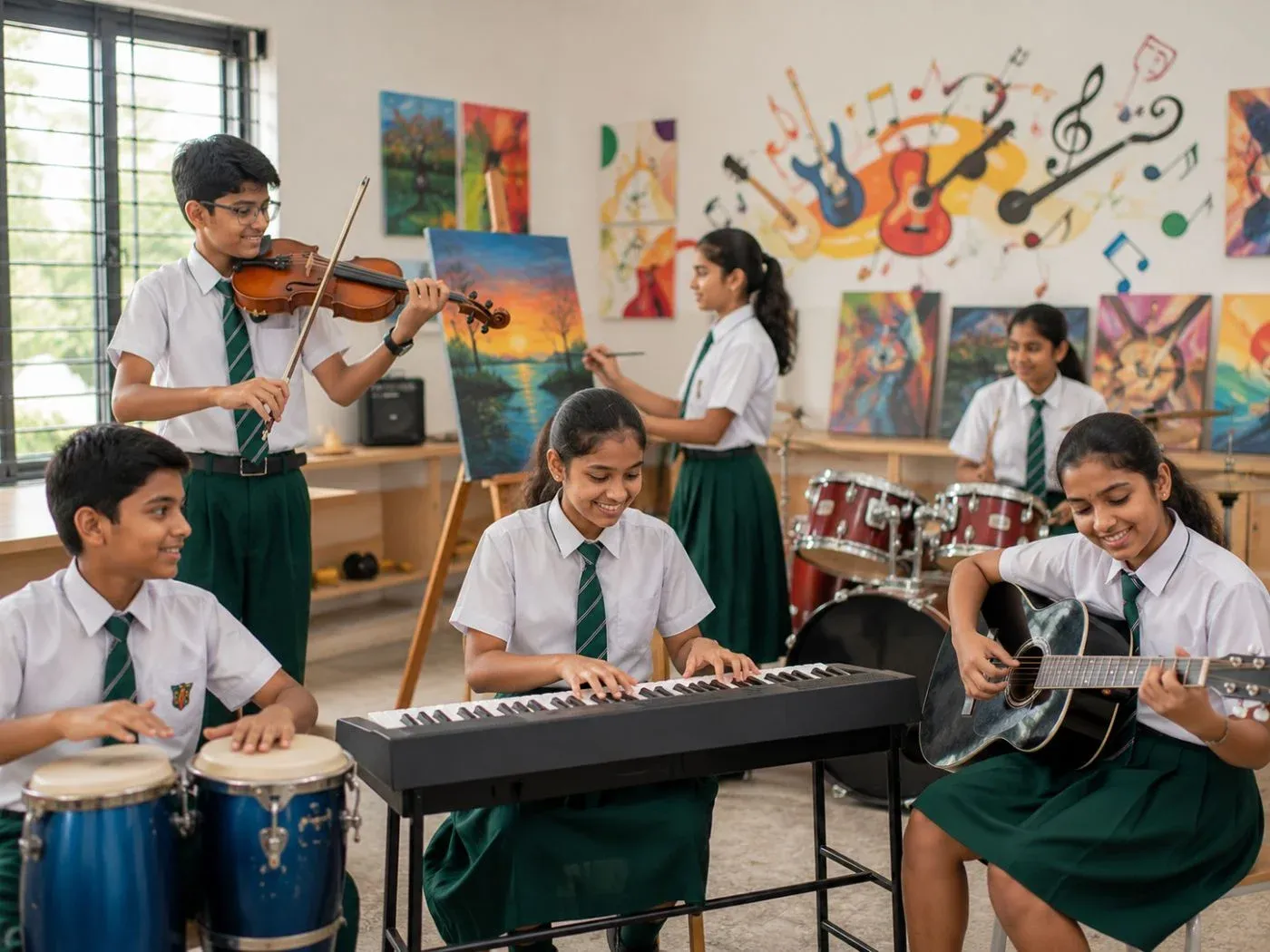
Drama-based pedagogy means using role, scene and improvisation as a way of teaching a subject, not as a break from it. Instead of reading about a historical event, a class stages it from the perspective of someone who lived through it. Instead of memorising a moral from a story, students act out the decision at its centre and defend it in character. The content does not change. The route into it does.
A lesson, staged
A recent history lesson on the Partition asked students to take on the roles of two families on either side of a new border, deciding in character what to carry and what to leave behind. What followed was not a performance in the theatrical sense but something closer to a genuine argument, conducted with real stakes the students had constructed for themselves. The facts of the lesson were the same facts as always. What was different was how hard they were to forget afterwards.
What we see change
The clearest change we see is in how students argue with each other outside of drama class entirely. Having spent real effort defending a position that was not their own, they get noticeably better at representing a classmate’s point of view accurately before disagreeing with it — a skill that shows up in group projects and playground disputes alike, not just on a stage.
Bringing it into a subject class
A subject teacher does not need theatre training to use this. A five-minute role reversal — arguing the other side of a debate, narrating an event as someone who was not the hero of it — costs almost nothing to run and reliably produces a livelier, more retained lesson than the same content delivered straight. We train our own staff on exactly this, in small doses, across every department.
More from the GSSE blog
New Age Learning
The current state of knowledge is a moment in history — and a classroom that treats it as final has already fallen behind.

The Journey of Education
Online classes were the most argued-about experiment in Indian education. Four years on, here is what actually stayed.

Education in the Time of Covid-19: A View into the Inequities of Learning
Access to quality education in India was never evenly distributed. A shared crisis made the gap impossible to look away from.